
Top Waterproofing Products for Effective Moisture Protection
Explore leading waterproofing solutions designed to keep your surfaces dry and protected against water damage.
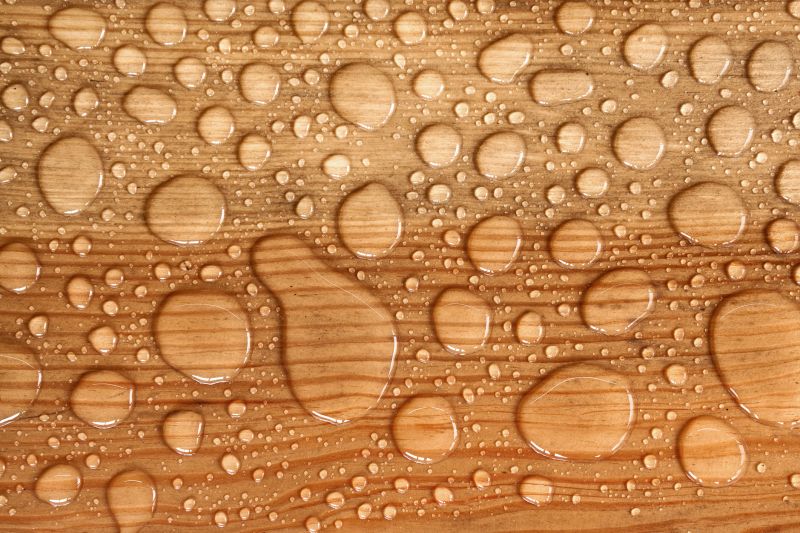 Waterproofing products are essential solutions for protecting structures from moisture intrusion, water damage, and related issues. Whether applied to foundations, roofs, basements, or other vulnerable surfaces, these products help create a barrier that prevents water penetration. Proper waterproofing extends the lifespan of buildings, reduces maintenance costs, and preserves structural integrity. Choosing the right waterproofing materials depends on various factors including the type of surface, exposure conditions, and specific project requirements.
Top Overall Option
High-Performance Liquid Waterproofing Membrane
A versatile liquid membrane that provides a seamless, flexible barrier against water infiltration. Suitable for various surfaces including foundations, roofs, and decks, it offers ease of application and long-lasting protection when properly applied. Its ability to accommodate minor surface movements makes it a popular choice for many waterproofing projects.
Types of Products For Waterproofings
Liquid Membranes
Fluid coatings that form a continuous waterproof layer, often applied with brushes or rollers for seamless coverage.
Sheet Membranes
Pre-fabricated sheets made of rubber, bitumen, or plastic that are adhered or mechanically fastened to surfaces.
Bituminous Coatings
Asphalt-based coatings that provide durable waterproofing, especially suitable for roofing and foundation surfaces.
Cementitious Coatings
Waterproof cement-based products ideal for basement walls and concrete structures, offering excellent adhesion.
Polyurethane Coatings
Flexible coatings that resist cracking and UV damage, suitable for roofs and decks.
Acrylic Waterproof Coatings
Water-based coatings that provide UV resistance and are easy to apply on various surfaces.
Rubberized Coatings
Elastomeric products that expand and contract with surfaces, ideal for areas prone to movement.
Sealants and Caulks
Flexible products used to seal joints, cracks, and penetrations to prevent water entry.
Crack Fillers
Specialized compounds designed to fill and seal cracks in concrete or masonry surfaces.
Waterproofing Paints
Coatings that can be painted onto surfaces to provide a water-resistant barrier with aesthetic appeal.
Hydrophobic Sprays
Invisible treatments that penetrate surfaces to repel water and prevent absorption.
Vapor Barriers
Materials designed to control moisture vapor transmission, often installed beneath slabs or walls.
Popular Choices
Widely used for their seamless application and adaptability to complex shapes and surfaces.
Favored for their elasticity and durability in areas with movement or temperature fluctuations.
Commonly selected for roofing and foundation waterproofing due to their proven performance.
Popular for basement walls and concrete structures because of their strong adhesion and ease of application.
Chosen for their UV resistance and ease of maintenance on exterior surfaces.
Frequently used to seal joints and cracks around windows, doors, and plumbing penetrations.
Essential for addressing minor surface cracks before applying broader waterproofing layers.
Applied for surface protection with added aesthetic options, suitable for walls and decks.
Popular for their ease of use and ability to provide invisible water resistance.
Common in construction to prevent moisture vapor migration, especially under slabs.
In West Chicago, Illinois, where seasonal changes can lead to fluctuating moisture levels, selecting effective waterproofing solutions is particularly important. From liquid membranes that form seamless coatings to sheet membranes that provide durable barriers, there are numerous options available to suit different needs. Proper surface preparation, application techniques, and understanding of product specifications are key to achieving optimal results.
Many waterproofing products are designed for specific applications such as basement sealing, roof waterproofing, or concrete protection. Some products are versatile enough to be used in multiple scenarios, offering flexibility for various projects. It is also common to find products that combine waterproofing with other functionalities, such as crack bridging or UV resistance, which can enhance overall performance.
When considering waterproofing solutions, it is important to evaluate factors like ease of application, durability, compatibility with existing surfaces, and long-term effectiveness. Consulting with local suppliers or experts can help identify the most suitable options for your specific needs. Proper selection and application of waterproofing products can significantly contribute to maintaining the safety and longevity of structures in West Chicago and beyond.
Key Buying Considerations
- Identify the specific area or surface that requires waterproofing to choose the most suitable product type.
- Consider the environmental exposure, such as UV rays, temperature fluctuations, and water pressure.
- Check the compatibility of the waterproofing material with existing surfaces and materials.
- Evaluate ease of application, including whether it can be applied with brushes, rollers, or spray equipment.
- Assess the flexibility and elasticity of the product to accommodate surface movements or cracks.
- Review the drying or curing time to align with project timelines.
- Determine the longevity and expected lifespan of the waterproofing solution based on application conditions.
- Look into the product’s resistance to UV degradation, chemical exposure, and weathering.
- Consider whether the product provides seamless coverage or requires multiple coats for effective protection.
- Verify if the product is suitable for interior, exterior, or both types of applications.
- Examine the manufacturer's instructions and warranty details for long-term performance expectations.
- Assess the ease of maintenance and whether the product can be reapplied or touched up easily.
- Ensure proper surface preparation is possible and recommended before application.
- Consider the environmental safety and VOC content if relevant to your project requirements.
- Consult local building codes or regulations to ensure compliance with waterproofing standards.